
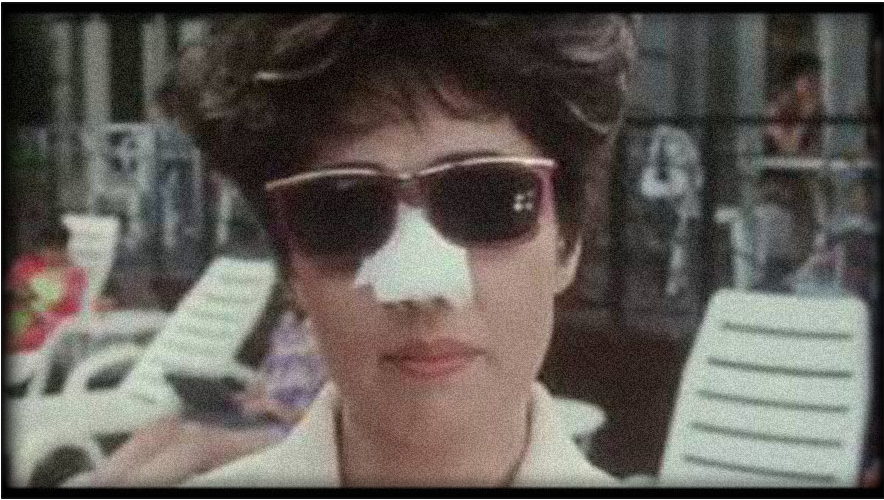
Sometimes, our dreams feel like sequels to the films we’ve watched. It’s easy to turn the TV off when a story gets a bit too creepy. But who’s to say that what you just saw won’t follow you in your dreams? What makes a movie truly terrifying is not some devilish creature, but how little we know about our own minds: inside it, there are many dark corners that we just can’t grasp. Once the lights are out, your eyes are heavy and you begin to drift off, you may find yourself back in that film once again. Now, there is no button to turn it off at will. The screen has eaten you whole. And out of some shadow comes the creature.
But eventually, everything is gonna be fine again. You will wake up, maybe gripping the sides of your bed in despair, but soon it will dawn on you that it was just a silly dream. Luckily, you will forget about it altogether. But what if a film follows you not into your dreams, but into your reality? What if the creature comes not from an obscure corner of your mind, but from an alley close to your house? What if the film actually… kills you? That is, perhaps, what happened to Juzo Itami.
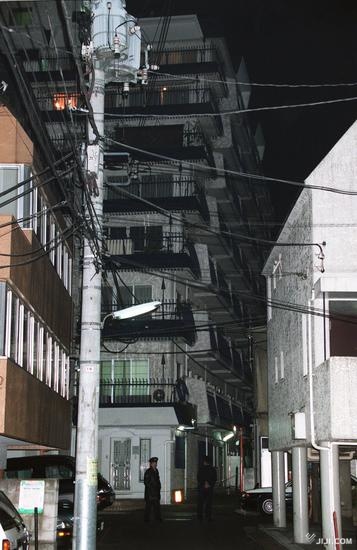
Around 6:30 PM on December 20th, 1997, a dead body was found in the parking lot of a luxury building complex in Tokyo. The authorities identified it as being Yoshihiro Ikeuchi, a 64 year-old man that worked in an office right above where he was found. He was one of the most notorious personalities in 80’s and 90’s Japan, yet hardly any of those who first discovered his body would have recognized his name. But his reputation was too great to stay unnoticed for long, and soon people started to figure out that Yoshihiro Ikeuchi was the real name of the famous film director, Jūzō Itami. The media coverage was not shy of one concerning the death of a Head of State. Soon, most Japanese citizens knew that Itami was dead, and of all the tragic circumstances.
To say cinema was in Itami’s blood is barely a figure of speech. His father was a filmmaker and satirist who became known for his subversive samurai stories in the 1930’s. But at first, Juzo didn’t want to carry on his dad’s legacy, and turned instead to boxing, band managing, many other things, before eventually hitting his luck with a curious, quirky mix of acting and writing. The former is what made his star shine the brightest at first: he became an accomplished essayist and well-rounded storyteller; he founded and edited a quite unique magazine called Mon Oncle (named after the Jacques Tati film), which spanned from cosmopolitan adventures to in-depth essays on psychoanalysis. And it is merely a taste of the over-the-top, whimsical style that he would carry on throughout his career.
His big breakthroughs in acting came in the 1960’s; and his fluency in the English language made him a go-to choice for international film. He played alongside Peter O’Toole in the seaborne drama Lord Jim (1965), and worked with Nagisa Oshima and Nicholas Ray – it is safe to say that the ambitious young actor learned a thing or two from these two legendary directors. Eventually, his writing and his movie star lifestyle collided into a single authorship: filmmaking. And so he officially became a director at the age of 50.
His career as a filmmaker is marked by his audacious, wry takes on Japanese culture and its rituals. Itami was not afraid of full-blown entertainment and had a particular taste for the absurd. His movies were never underground, but mainstream hits; they combined blunt, easy-going narratives with sensitive topics; a combination that Japanese audiences only found before in foreign films. Japanese movies were known to be sophisticated, profound, and contemplative – and kept some touchy questions out of the screen. Itami changed that. He made an entire, thrill-seeking generation fall in love with their own culture again.
It was only natural for a style as expansive as Itami’s to keep evolving through the years. Later in his career, the stories got more political, violent, and pressed delicate topics even harder, especially concerning the Japanese mafia: the Yakuza. And this is when his creations began to bite him back.
Creatures behind half-open doors
The year was 1992. Itami’s new movie, Minbo: The Gentle Art of Japanese Extortion, was released on VHS and in movie theaters simultaneously. Its initial reception was far from what the director experienced almost a decade before, with the instant hits Tampopo and The Funeral. But shortly after, things changed quite fast. Minbo’s plot mocked the Yakuza right to their faces. Mobsters were portrayed not as stoic, samurai-gone-rogue antiheroes, but as witless bullies after petty cash. The film essentially offered a blueprint for dealing with mafia harassment. Itami knew he was playing with fire, but even he didn’t anticipate what was about to happen.
Six days after the movie premiered, Itami suddenly found himself surrounded by a bunch of knife-wielding men near his house. Pure psychological intimidation was not their goal. He was violently attacked. They slashed his face, neck, and shoulders. They beat him to the ground. And there they left him, staining the sidewalk bloody red. This was Kiri: a traditional Yakuza tactic of scarring their victim for life. They were basically saying: “You can label us, but we can label you, too.”
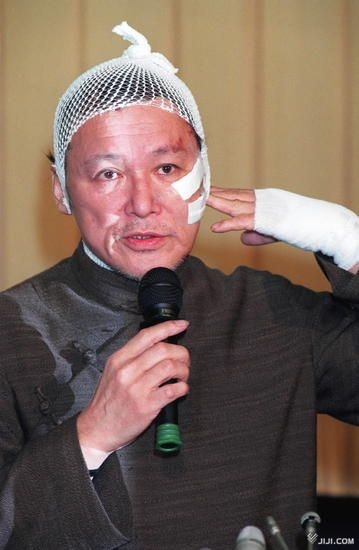
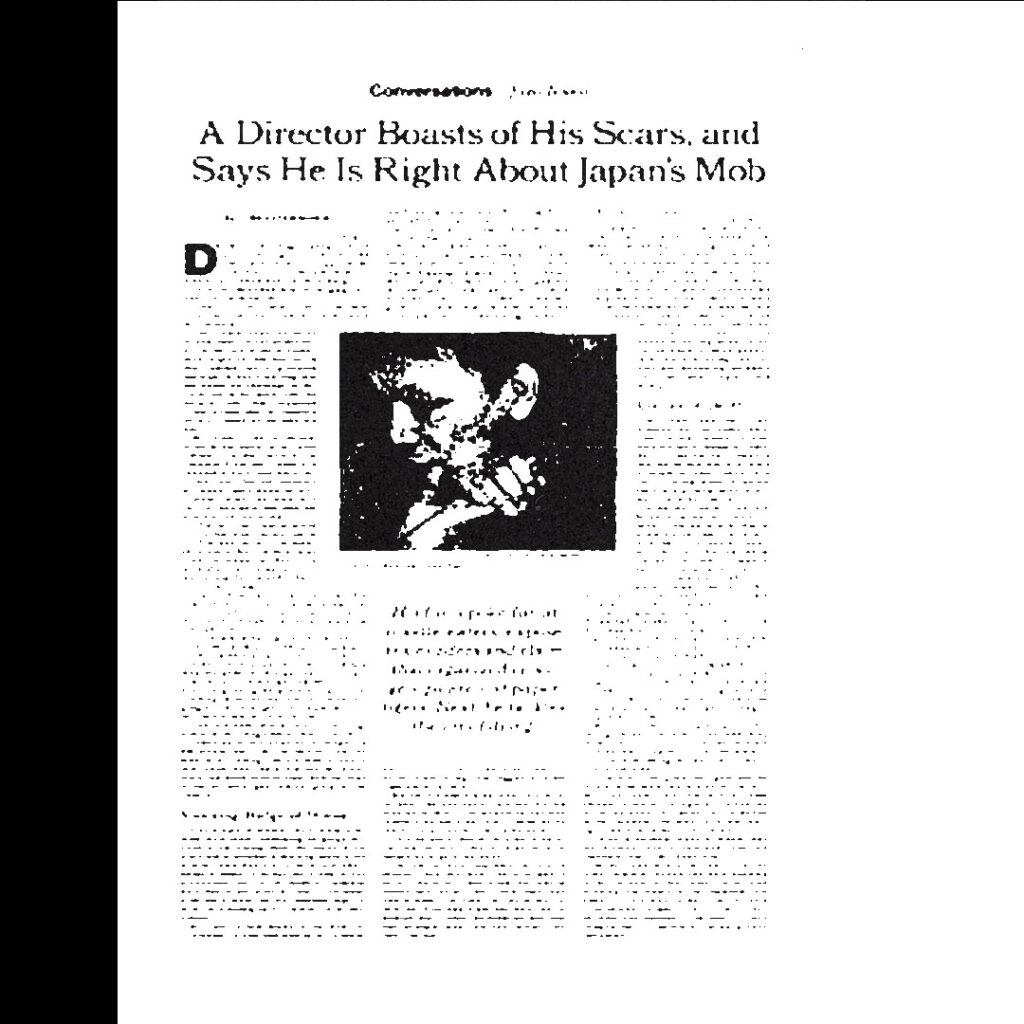
The Yakuza’s plan to silence Itami backfired. The incident heightened national interest in both the Yakuza and in the film, which drew large audiences to theaters and video rentals. It looked like, in this scarring game, Itami managed to cut deeper. He stayed in the hospital for 7 days and rocked his scars proudly for the rest of his life.
Itami realised that making films could actually kill him. His art became something else entirely. There is a certain thrill in taking fiction to the point that expands into reality. Most stories can live in their bubble quite safely, but some writers feel an irresistible urge to take things a step further. One can’t help but to imagine Itami writing the script for Minbo with a racing heart. Stepping on dangerous people’s toes with your movie is maybe, in the least poetic way possible, the closest that fiction will ever get to coming “alive”. Minbo stopped being only a film to become an entity in its maker’s life, peeking out in the shadows. Like a chilly wind that creeps inside your shirt on a walk around the block. Like the darkness beyond a half-open door. The story becomes a beast. A surreal one, given that Itami was not a journalist investigating real facts, he did not have inside information on the mafia, its members and stratagems. He did not know the names of the mobsters following him at night. The strongest and most vivid image of what was happening to him came from his movie, its chemically developed scenes and actors. It must have really felt like he was in one of those “movie-inside-a-movie” scenarios. It is not by chance that he did make a story just like that right after the attack: The Last Dance.
The Last Dance from 1995, his second last film, was conceived in the hospital after the attack. It tells of an ageing actor-director who, while making a film, begins an affair with his young leading actress; his wife finds out and wants to leave him, but changes her mind when she learns that he has cancer. He considers suicide, but chose instead to live his last years with his family.
Two years later, this story would read like a chilling, imperfect omen for what came next – imperfect because reality had no plans for feel-good endings.
Rainy days
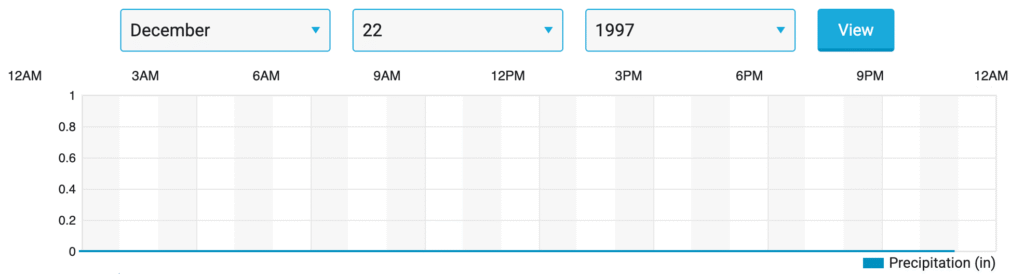
In movies, the darkest moments often happen on rainy days. On December 22, 1997, Tokyo streets didn’t feel a single drop from the skies. It was a typical winter day: dry and crisp, when Juzo Itami was found dead. All the puzzle pieces spelled suicide. The content of a note left by the deceased made it all clear. Presumably, Itami had learned something that shredded his soul: a gossip magazine called Flash would soon publish a piece about an affair the director was having with a 26-year old woman while still married to long-time partner and muse Nobuko Miyamoto. Two days before the magazine was scheduled to drop the bomb, he jumped to his death; the end of his note coldly stated:
“My death is the only way to prove my innocence.”
Theories began to emerge about what had really gone down. It didn’t take too much imagination to picture Yakuza coming back at him to “finish the job”. Especially considering Itami became a vocal supporter of new anti-organized crime laws after the 1992 attack. But still, this was nothing but an assumption, nothing but squinted eyes looking at credible newspapers that said otherwise. And soon, they became tales worth only of conspiracy forums and bar table chit-chat.
Oddly enough, it would be precisely at a bar table that everything would change, almost a decade later.
Conversations after last words
Alcohol fueled small talk. That was apparently what was happening in a Tokyo bar table around 2005 between a local and a foreigner who spoke Japanese like a native. However, the content of the conversation couldn’t be further from trivial.
“Erase it, or you will be erased”. Said the local.
Jake Adelstein, the foreigner, was the first from his country to ever work at the prestigious Japanese newspaper Yomiuri Shinbun. Having worked in Japan as an investigative journalist since 1993, he had become acquainted with many underworld personalities, including both retired and active gangsters. In this bar, one of them was telling Jake that he was crossing a dangerous line. Once over that line, even if he returned home the Yakuza would still come for him – he is originally from Missouri, USA.
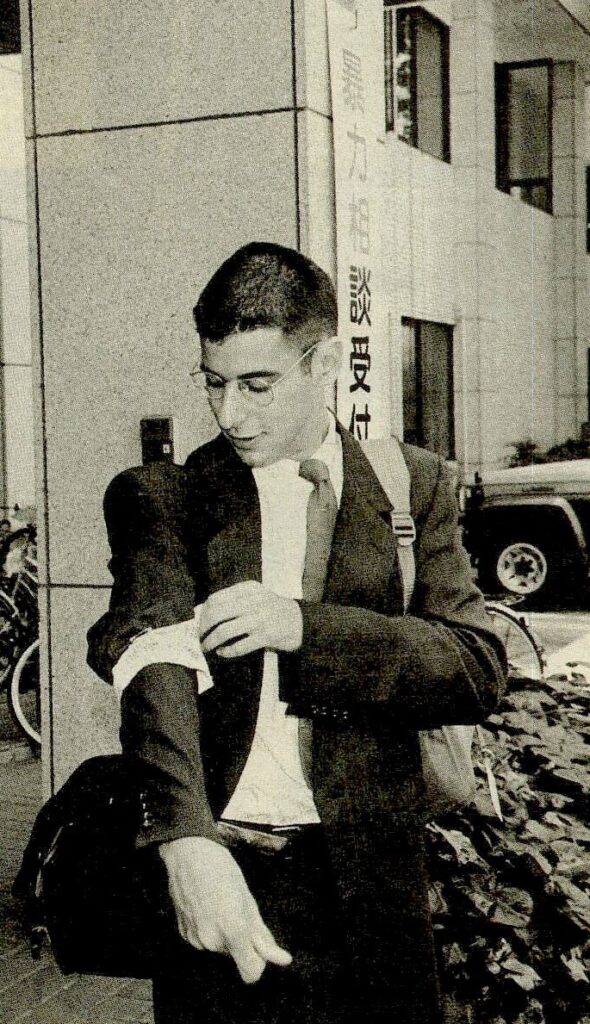
Back then, Jake stepped away from the book he was writing about the Japanese mafia. He didn’t want to end up like a friend and fellow journalist whose son had been stabbed by mobsters. Afterwards, they sent him this message: ‘Don’t worry, we won’t consider killing you or any of your relatives for another five years.’ The Yakuza certainly know how to be persuasive. But Jake kept investigating the mob, for when he decided to actually publish the book, he had all the information he needed to strike hard.
His main subject, Tadamasa Goto, was the leader of Goto-gumi, a mafia branch that owned more than a hundred front companies in Japan. He was even the largest shareholder of Japan Airlines at some point. In 2001, Goto mysteriously managed to skip the line for a liver transplant in a hospital in California. That’s when Jake became particularly interested in him.
Yakuza’s message to Jake was reinforced in 2008. A deeply connected source told Jake that he was close to being killed. He was on Goto’s blacklist and no one had ever escaped it alive. He was advised to drop his investigation altogether or, if he had the courage, to publish something quickly.
“What’s he going to do? Threaten to kill me? He’s already done that before”, said Jake.
“He won’t threaten you. He’ll just do it. He’ll make it look like a suicide. How do you think Juzo Itami died?” the source replied.
The source then told Jake that, back in 1997, when journalists approached Itami about the affair, the director laughed and said that his wife already knew all about it. And that Itami was planning to make a film about Goto’s mob and its relationship with a powerful religious group called Sokka Gakai, which had connections with big time politicians. This film would have been far more damaging than Minbo, as it would have exposed high-level corruption and money laundering, rather than merely depicting ‘mob tactics’.
“Five men made him jump off his roof at gunpoint, that is how Itami committed suicide”, concluded the source.
Following the advice he’s been given, Jake finally began his attack spree on the Yakuza in 2008. In that year, The Washington Post published, after a meticulous fact-checking process, his piece on Goto skipping lines in the UCLA Medical Center for the liver transplant. It also stated that Goto and his affiliates donated over 100 thousand dollars to the hospital, and that the FBI granted a “beyond generous” US Visa to Goto under the promise of collaborating with them on Yakuza investigations.
Back in Japan, not a single local newspaper dared running the piece. “We publish this, and not only will we have to deal with Goto’s lawyers, we’ll have to spend a fortune on beefing up corporate security. Retaliation will be certain,” one senior editor at a media outlet told Adelstein.
Jake followed this up by publishing his book Tokyo Vice in 2009. A Japanese translation was completed almost immediately, but, as with the article, nobody in Japan dared to publish it. It was only when the book was adapted for a major HBO series more than a decade later that a large scale edition was finally issued in Japan.
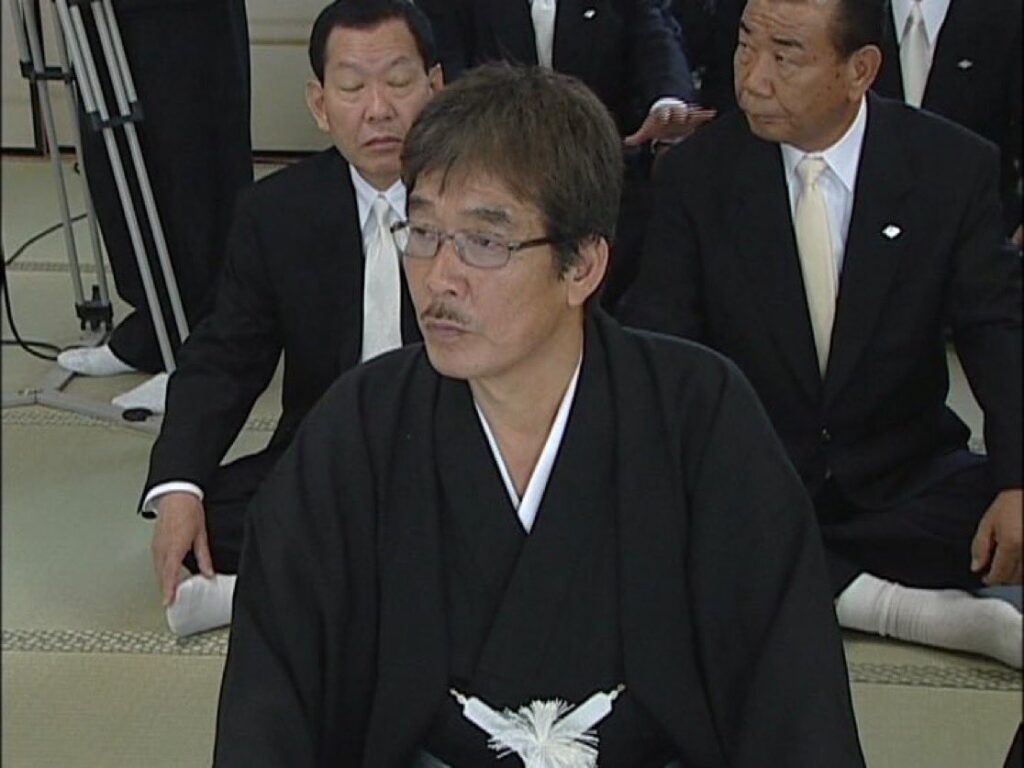
The Yakuza hate being in the spotlight. And they probably didn’t like knowing that one of their leaders was in bed with the FBI either. So after the Washington Post article, Goto gradually lost influence within the mob. Had his name not become internationally known, perhaps the Yakuza would have taken a more “permanent form of retaliation” against him. But Goto lived; and became a Buddhist priest by the name of Chūei, which can be translated as “loyal and devoted”.
As for Jake, with Goto gone, the price on his head slowly began to plummet. He now lives a less troubled life with his family between the US and Japan; even though he still has problems sleeping.
Unfortunately, Juzo Itami’s fears did not remain a thing only of imagination like Jake’s.
Never-ending roundabouts
After witnessing a brutal crime, a woman is forced to flee town as a step of a witness protection program. A middle-aged woman witnesses a brutal crime and is forced to leave her hometown under a witness protection program. She soon realizes that her new home is not as safe as it is supposed to be. From a mere witness she needs to turn into a resourceful survivor, because gunmen are closing in. This is the plot of Woman in Witness Protection, Itami’s final film, released only two months before his death. It resonates deeply with Jake’s source account about Itami planning a new movie.Did his last film offer a glimpse into the story he wanted to tell next? Did Itami see himself as a witness to a conspiracy of national proportions? One that came attached with… deadly consequences?
Jake’s groundbreaking investigation on the Japanese mafia shows us that it is a real possibility that Itami was murdered. It is a solid possibility. But what about the suicide note? It would be easy enough to forge, since it was typewritten and unsigned. Considering that Itami, like many writers of his generation, was devoted to his traditional Genko Yoshi-type notebook, it is strange that no handwritten drafts or scribbles were found in his home. Only a single, coldly typewritten final note.
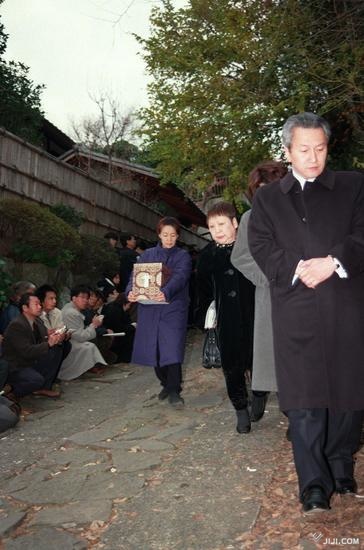
Maybe Itami, for some reason, really chose the typewriter. Maybe as a way to make his last words as mechanic as possible, so to distance them as far as he could from the craft he spent a life in love with. But a writer can’t help but to leave a piece of their heart into the words they write, no matter how cryptic they are. The most alarming part was that it just didn’t sound like him. Friends and relatives just couldn’t picture a man like Itami taking his life because of a magazine scandal like that; and writing a note of that sort. That included his wife Nobuko. To her, Itami’s death was a brutal, unexpected shock. Days later, she carried her husband’s ashes at his funeral.
Even knowing all of this now, it is impossible to know for sure. Jake’s source may have been misleading him on purpose, just to frighten him. Was Itami’s movie The Last Dance about the cheating director that considers suicide an inspiration for the Yakuza to fake a convincing setup, or an honest glimpse into Itami’s mental state and subconscious concerns, acting almost as a wish for a good outcome for the storms he knew were ahead?
Maybe he did commit suicide.
But it is important to admit that maybe he did not.
Since no official investigation was ever reopened, the ending to Itami’s story will perhaps remain open to interpretation forever. But maybe there is still another version to this ending. A final act not borrowed from thrillers full of bad guys and dark alleys, but one that can convey his whole life without loose ends. One that leaves out all the frustrating tragedy of never-ending roundabouts and, instead, offers a plausible solution to Juzo Itami’s story.
Persimmon Leaves
Itami grew up in Matsuyama, a city in the Japanese province of Nagano, known for its clear water streams and warm-colored fruits. It was there that Itami started to fall in love with words. For Matsuyama is also the city of poets. The capital and birthplace of Haiku poetry; more than that, the city has been, forever, it seems, a magnet for all kinds of writers. For a while, he attended the prestigious Matsuyama Higashi High School, where he found himself immersed in literature. Between classes he met his future brother-in-law, Kenzaburō Ōe, who went on to win the Nobel Prize for Literature. There Itami preferred to spend his time reading French poetry, especially that of Arthur Rimbaud, rather than paying attention in class.
In a thirteen minutes walk from the school, you will find, inside of a hidden Temple, a standing stone of many shades of grey. The stone is a monument for a poet called Nomura Shurindo, a pioneer of free-form Haiku, who attended that same school about 40 years before Itami.
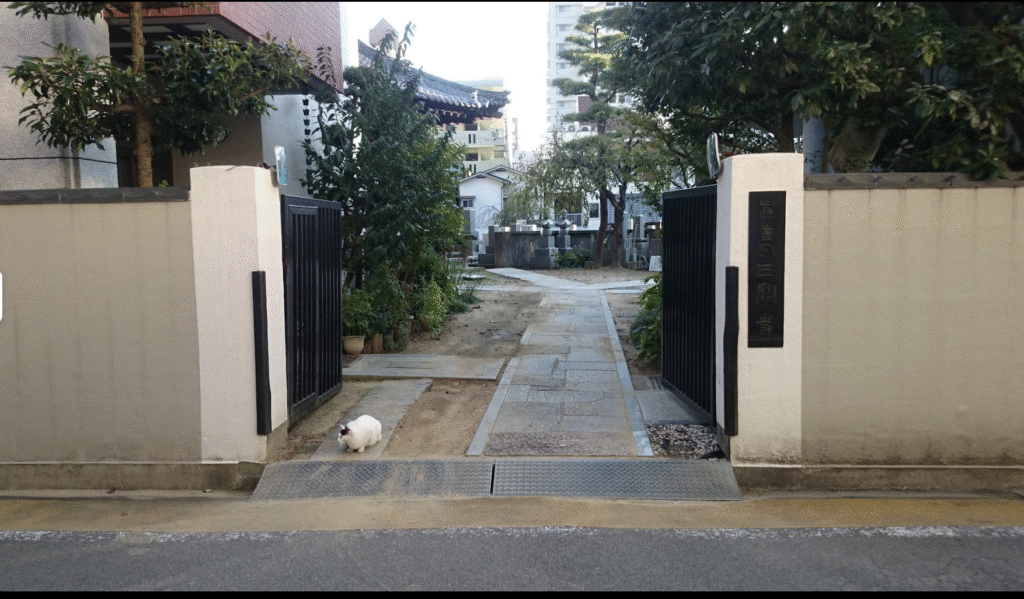
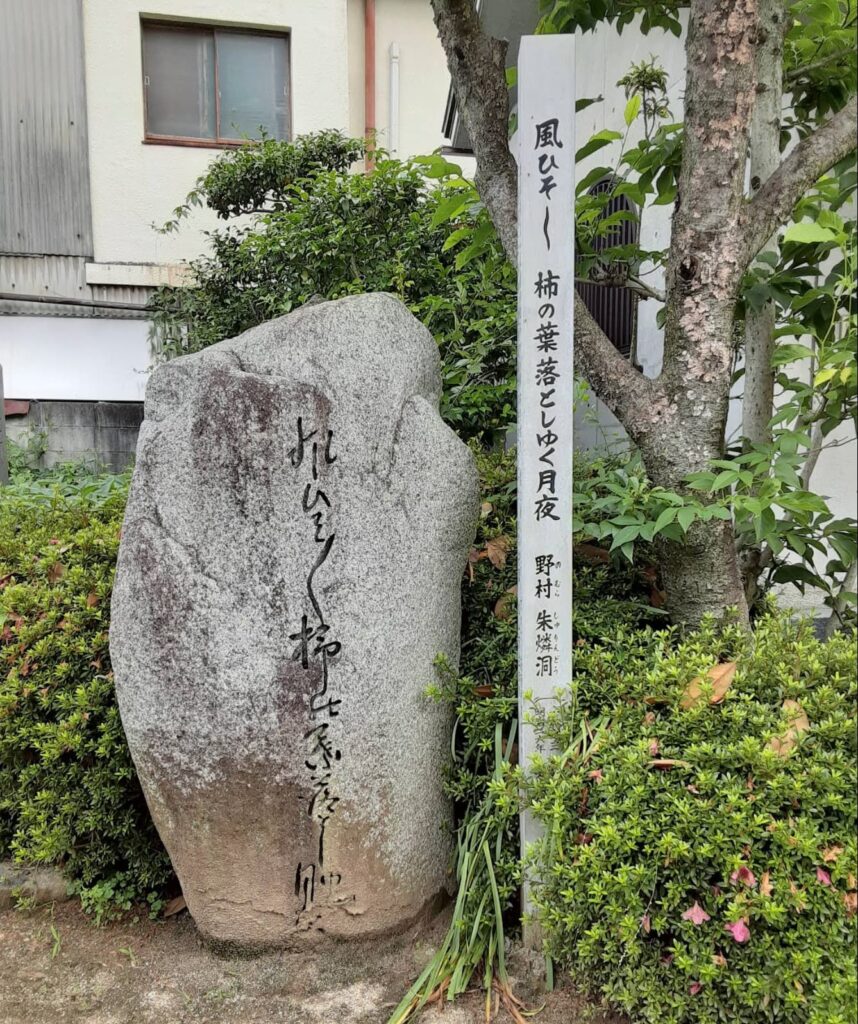
Carved in that very stone is one of his poems. It reads:
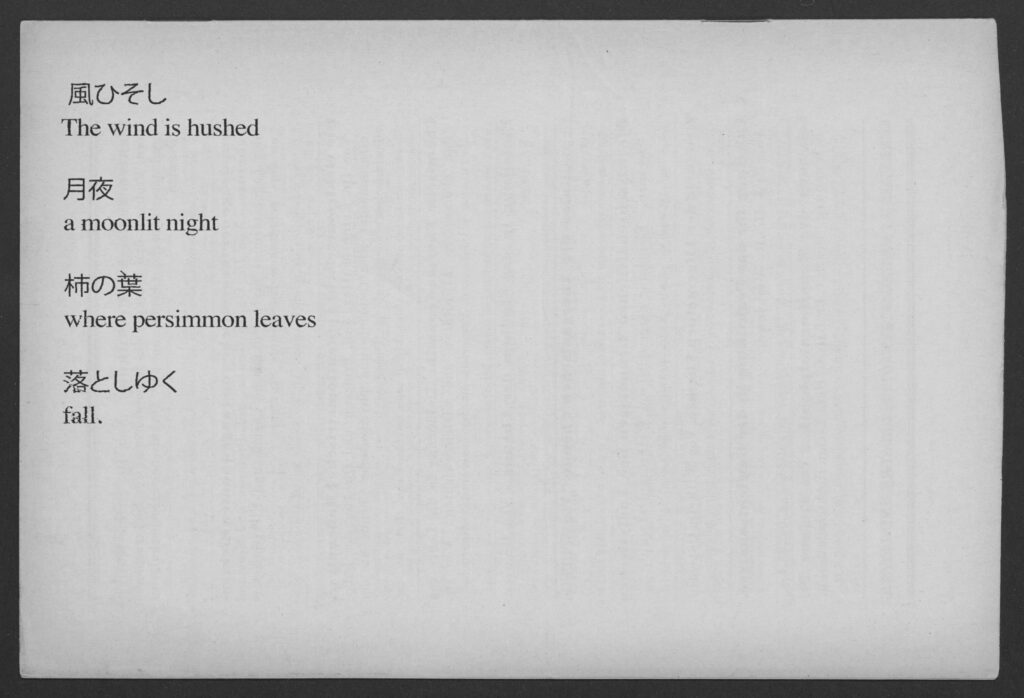
“The wind is hushed
a moonlit night where persimmon leaves fall.”
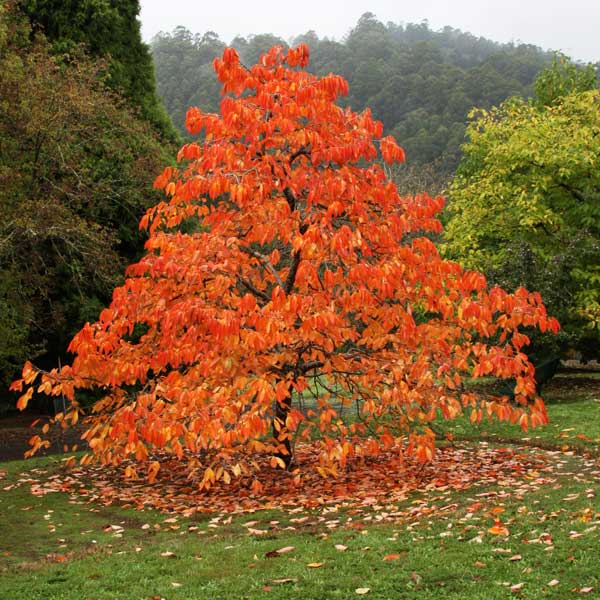
Every traditional Haiku contains a part that indicates a season; it is called kigo. This binds the poem to a specific time in nature. In this one, that part is “persimmon leaves”. Persimmon is a typical Kaki tree from the region. This poem is therefore set in Autumn, when the leaves of this tree turn a vivid orange, which happens around October; from November until the beginnings of December, the leaves slowly but surely begin falling. Maybe on December 20th, 1997, when Itami died, there were still a few fighting leaves lingering among the persimmon branches of Matsuyama. But they couldn’t help but eventually fall and wither away. But in Shurindo’s poem, these leaves will remain forever mid-air.
A Haiku captures moments, emotions and sensations which single words like warm and cold, happy and sad, are not enough to describe. Like choosing to paint instead of taking a picture, they are not meant to tell complete stories by themselves, they are very short and their meaning is somewhat blurry, so you can fill in the gaps with your own imagination: like bite-sized impressionist paintings. I like to think that this one, the one carved in this stone of many grey shades, on the grounds of this small, very easy to miss temple in the city of Matsuyama, tells nothing but the story of Jūzo Itami. If he never crossed paths with this poem, I do believe that he watched, at least once, the orange leaves fall from kaki trees; and maybe wondered what words they were made of.
Main Sources & Further Exploration
“Juzo Itami.” Encyclopedia.com.
“The Martyr of Japanese Cinema: Juzo Itami.” The Centipede.
Nomura Shurindō Haiku Monument (“Kaze hisohiso kaki no ha otoshiyuku tsukiyo”). Google Maps.
“Tampopo: Ramen for the People.” The Criterion Collection, August 3, 2016.
“The Funeral: At a Loss.” The Criterion Collection, November 22, 2022.
Related Books
Tokyo Vice: An American Reporter on the Police Beat in Japan (2009), by Jake Adelstein. Pantheon. Buy on Bookshop.org*
A Personal Matter (1964), by Kenzaburō Ōe. Translated by John Nathan. Grove Press. Buy on Bookshop.org*
Writing Haiku: A Beginner’s Guide to Composing Japanese Poetry, by Bruce Ross. Tuttle Publishing, 2017. Buy on Bookshop.org*
*Bookshop.org does not sponsor us, but purchases from affiliated links support our work (at no additional cost to you). Also, every purchase on Bookshop.org financially supports independent bookstores instead of billion-dollar companies. Learn more