Tag: visual design

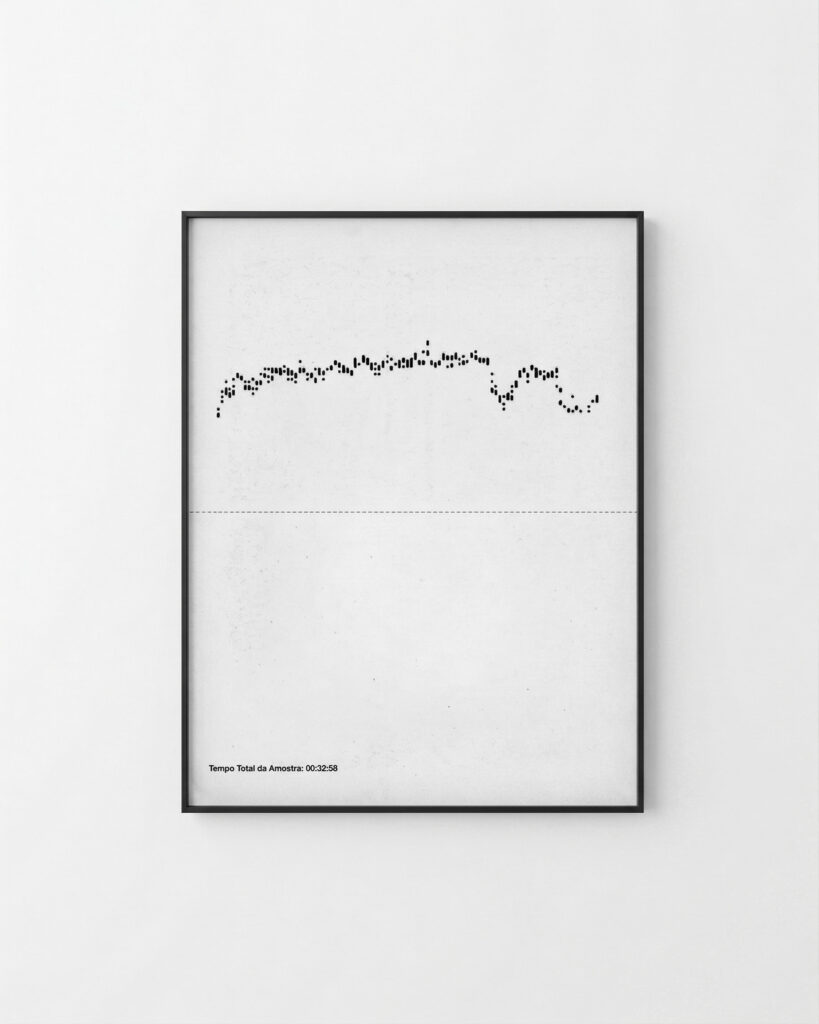
  • Experiment 1, 32:58 (Insider Store)

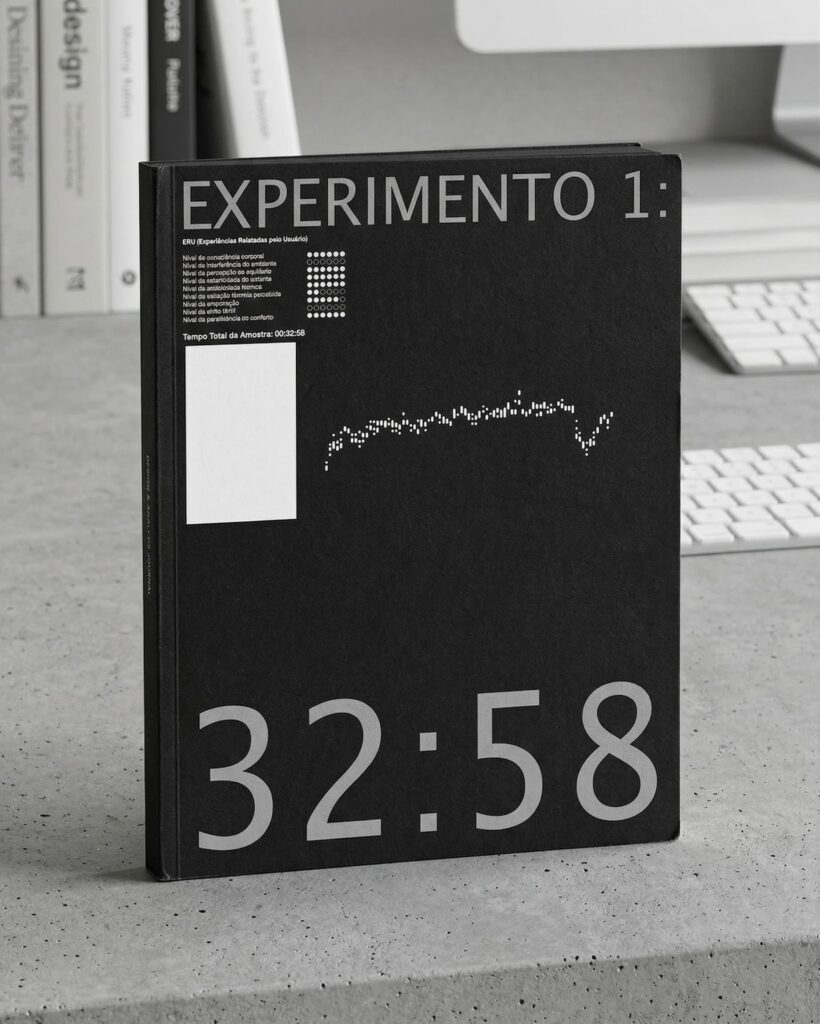
    “Experiment 1, 32:58” is a conceptual graphic project developed by CCarta for the Brazilian tech wear brand Insider.
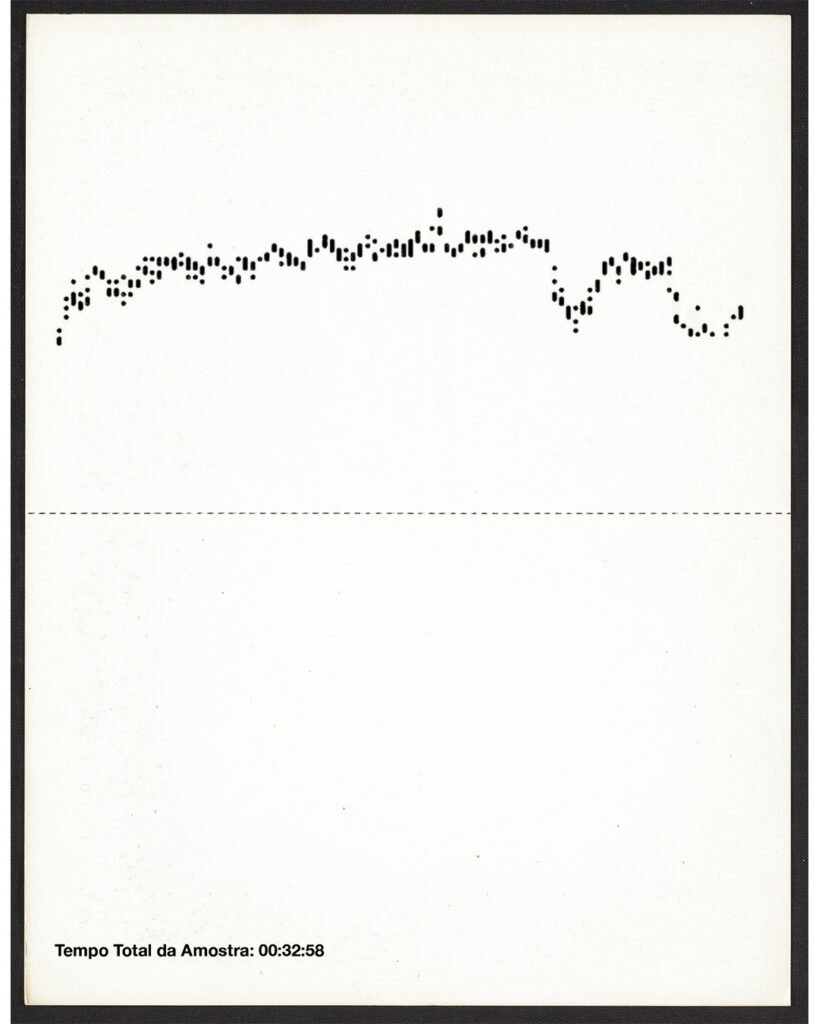
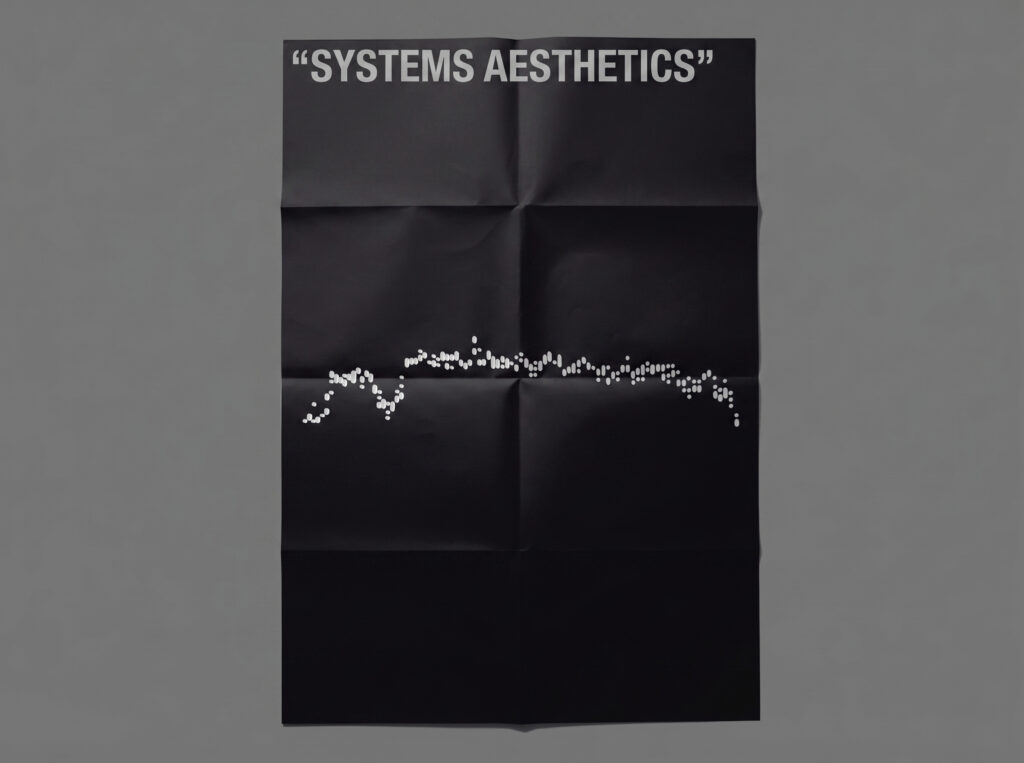
    “Experiment 1, 32:58” is a graphic art and research project developed by CCarta to mark the 9th anniversary of the tech wear brand Insider. Inspired by the works of conceptual artist Hans Haacke and the theories of Jack Burnham—pioneers in recognizing that not only objects, but scientific systems can be forms of artistic expression.

    For 32 minutes and 58 seconds—the time at which the participant himself ended the experiment—the heart rate and thermal sensations of a user wearing an Insider T-shirt were monitored.

    This data gave rise to minimalist visual compositions that, rather than representing an object, reveal a process: the dynamic balance between body, technology, and environment.
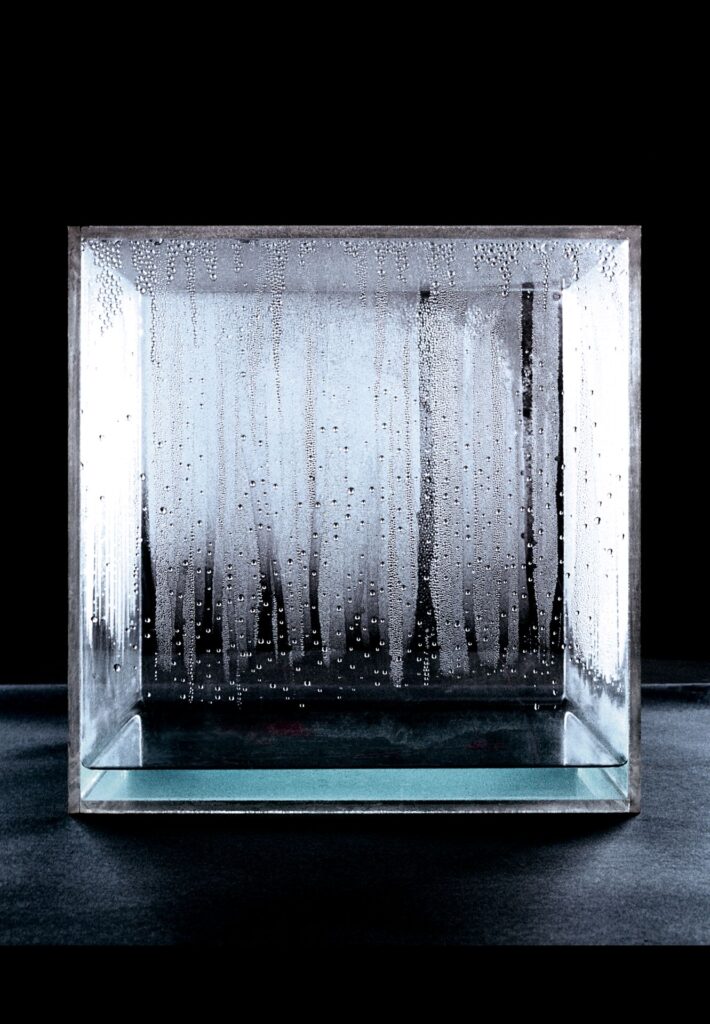
    © Hans Haacke, VEGAP, Barcelona

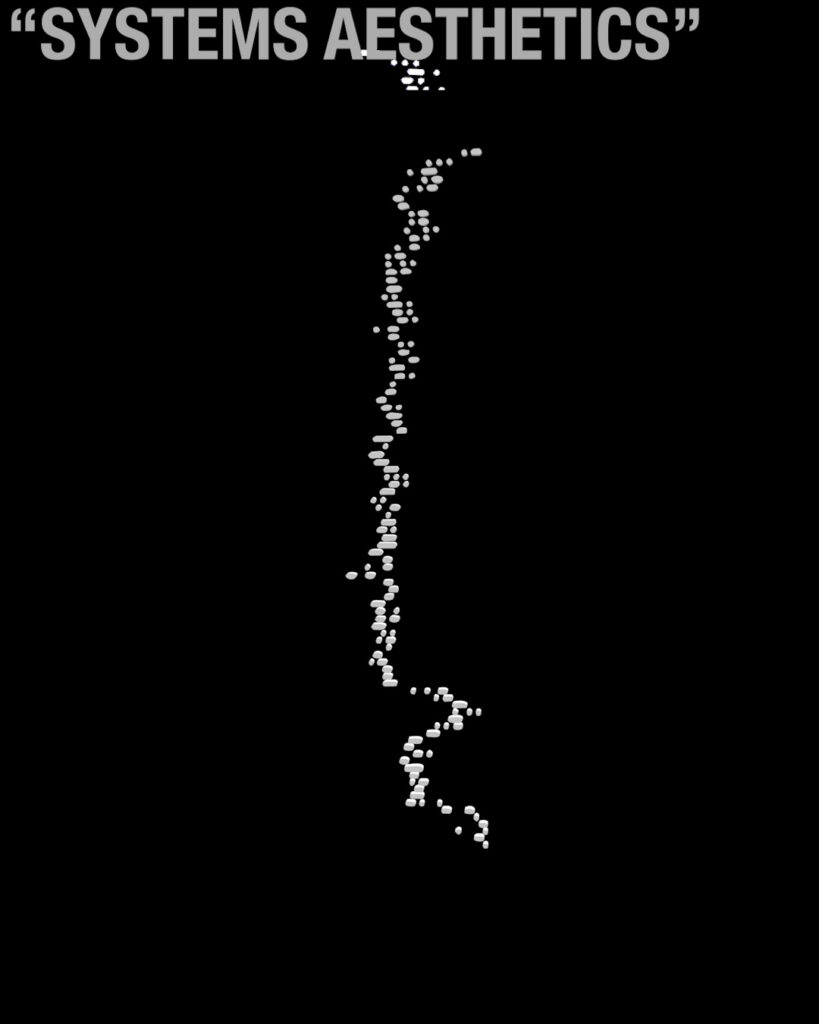
    The research on “Systems Aesthetics”

    Insider’s positioning—its minimalist identity and its value proposition rooted in techno-scientific development—led us to the work of Hans Haacke, a German artist whose artistic practice is grounded in science, technology, and the human body, and in how these elements can interact in a “minimalist” yet, at the same time, conceptually powerful way. Thus, the project begins as an investigation into this artist and his era in art history.

    His Condensation Cube (1963–5) was the focus of the research. The work consists of a hermetically sealed transparent acrylic cube; inside, there is a small amount of distilled water, but the artwork is not the acrylic or the water, but rather the physical cycle occurring within it.

    The thermal interaction between the environment and the viewer generates continuous evaporation and condensation, transforming the cube’s walls into a dynamic surface of precipitation, making the laws of thermodynamics and the interdependence between the object and its surroundings visible. This type of art, theorized in the 1960s, was called “Systems Aesthetics.” In it, the artist ceases to be a craftsman of forms and becomes a programmer of processes—their expression is a system, not an object, such as a painting or sculpture.

    We believe this aligns directly with Insider’s positioning, a brand that leverages proprietary technology and systems as both a creative (brand aesthetic) and strategic (value proposition) asset.
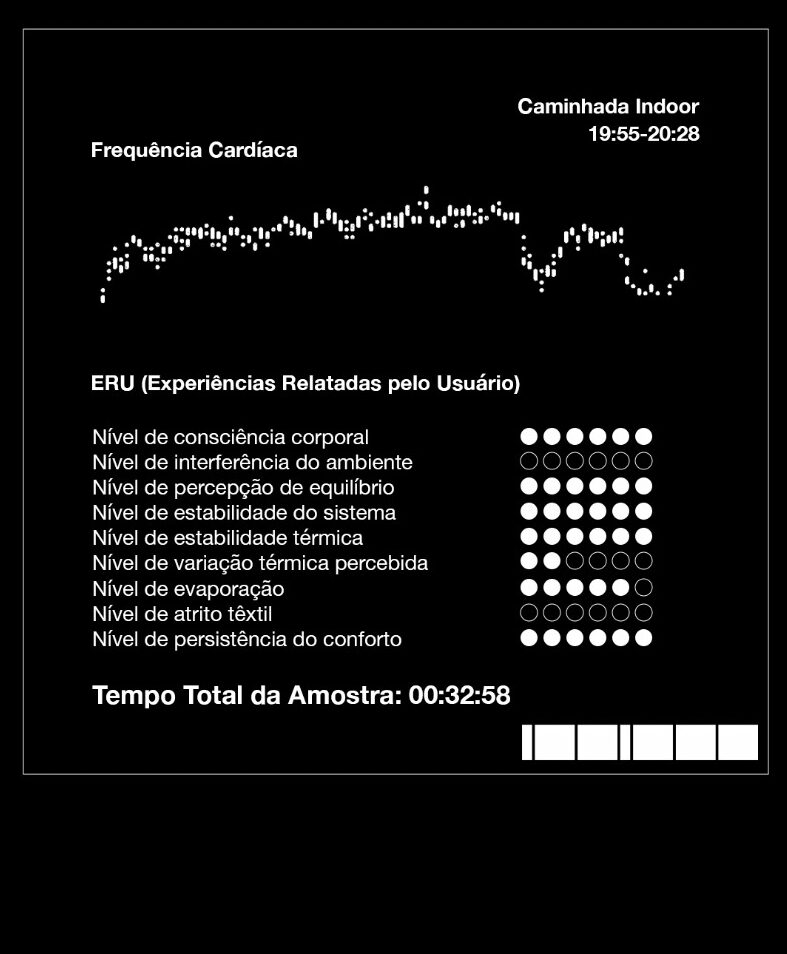
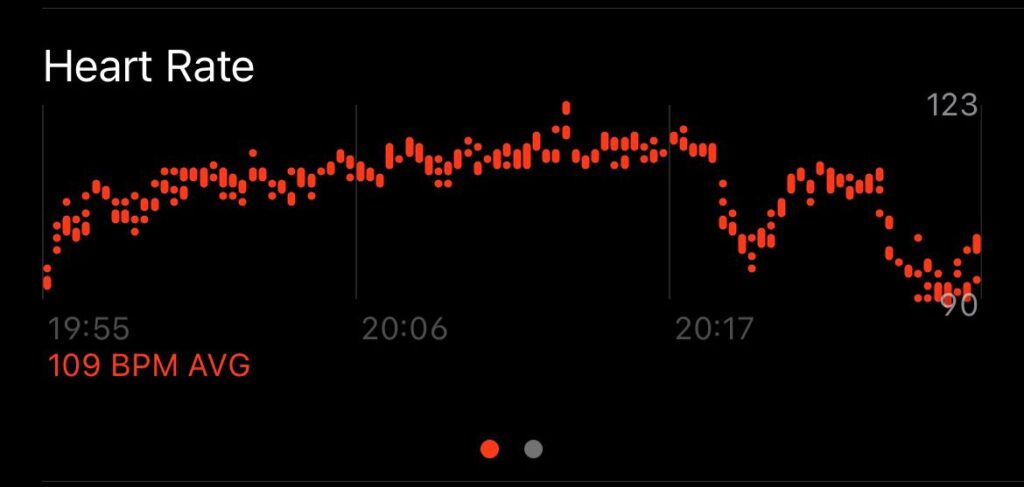
    More specifically, Hans Haacke’s art explores the biological balance of organisms and their elements (homeostasis), a concept that resonates directly with Insider’s products, which are designed to provide physiological balance and harmony for the user. “Experiment 1, 32:58.” engage with this principle.

    One of us wore an Insider T-shirt, and with the help of a smartwatch, we recorded the user’s physiological data. We monitored heart rate (HRV—heart rate variability) and created a self-assessment system for physical variables during the experiment (we called it ERU—User-Reported Experiences) so that the user could record perceptions regarding their level of body awareness, comfort, and other aspects.

    CREDITS

    Design & Research:
    CCarta (Enzo Carrieri, Erik Gütschow)

    Client:
    Insider Store (Laura Grisotto, Samira Figueiredo)

    References:

    “Condensation Cube.” MACBA.

    “Caroline A. Jones on Jack Burnham’s ‘Systems Esthetics’.” Artforum.

    “All Systems Go: Recovering Hans Haacke’s Systems Aesthetics.” Grey Room.


  • Botanical Motifs (ÃO)

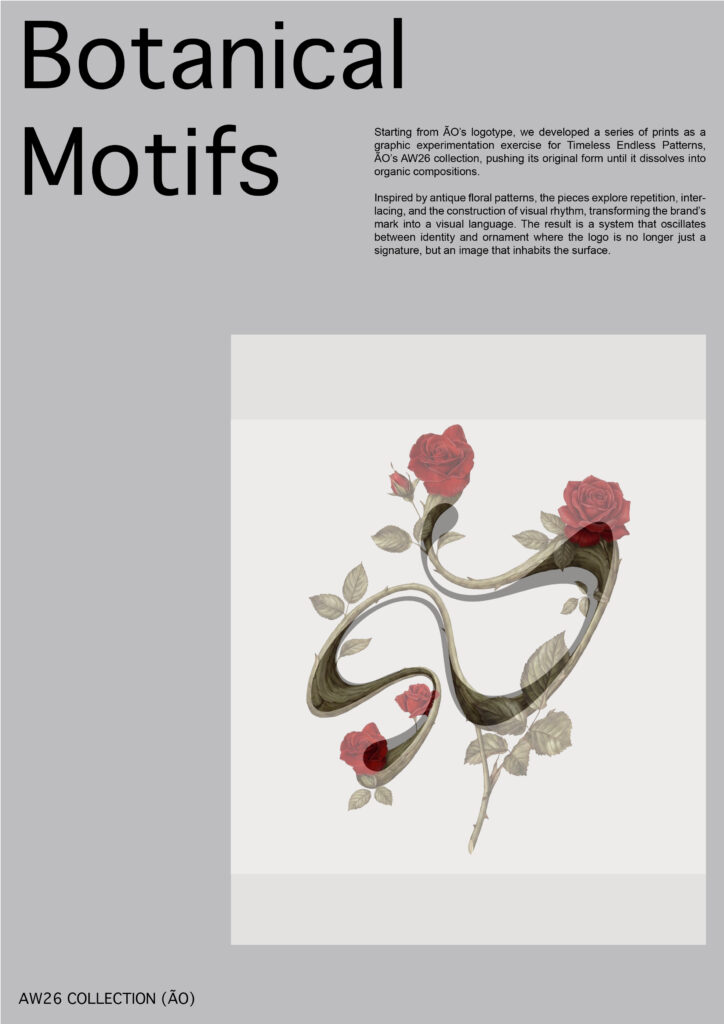
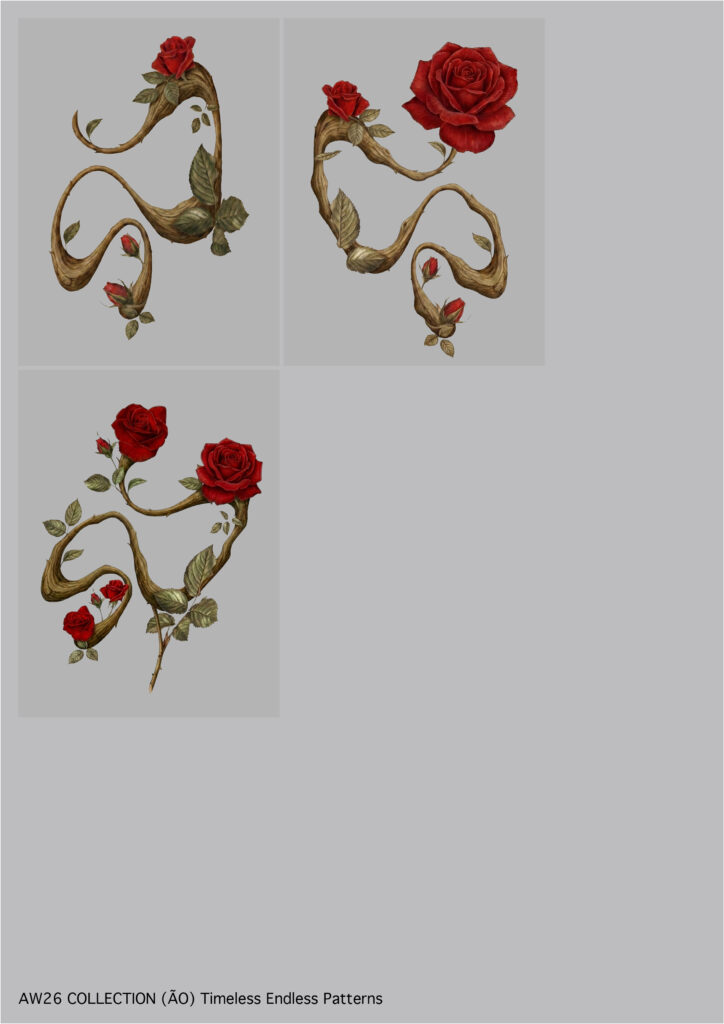
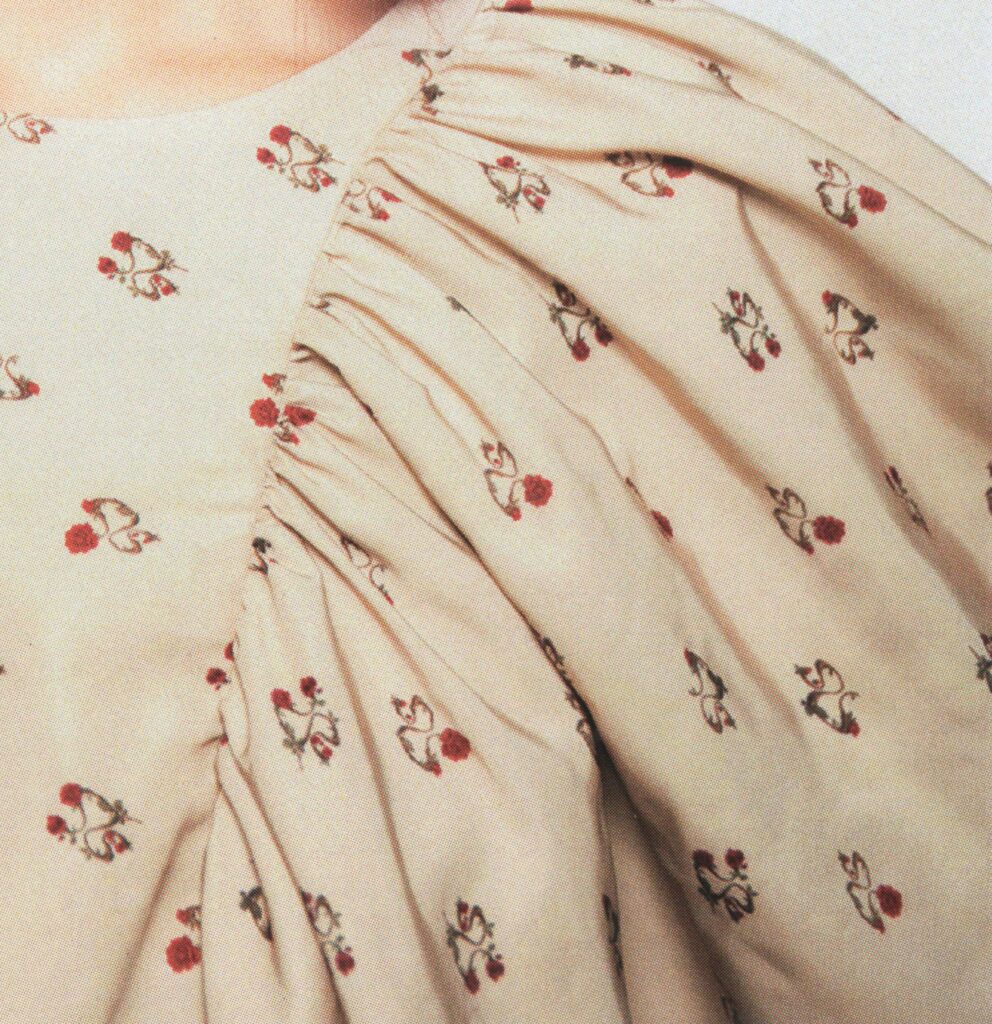
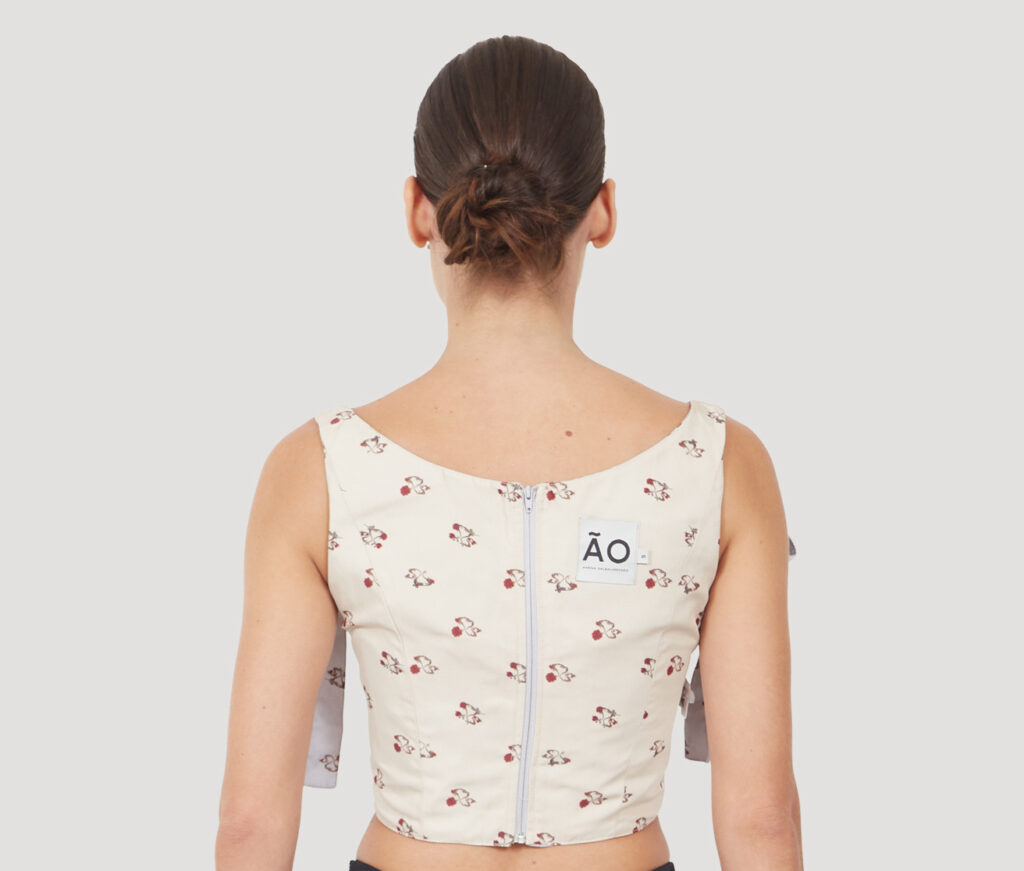
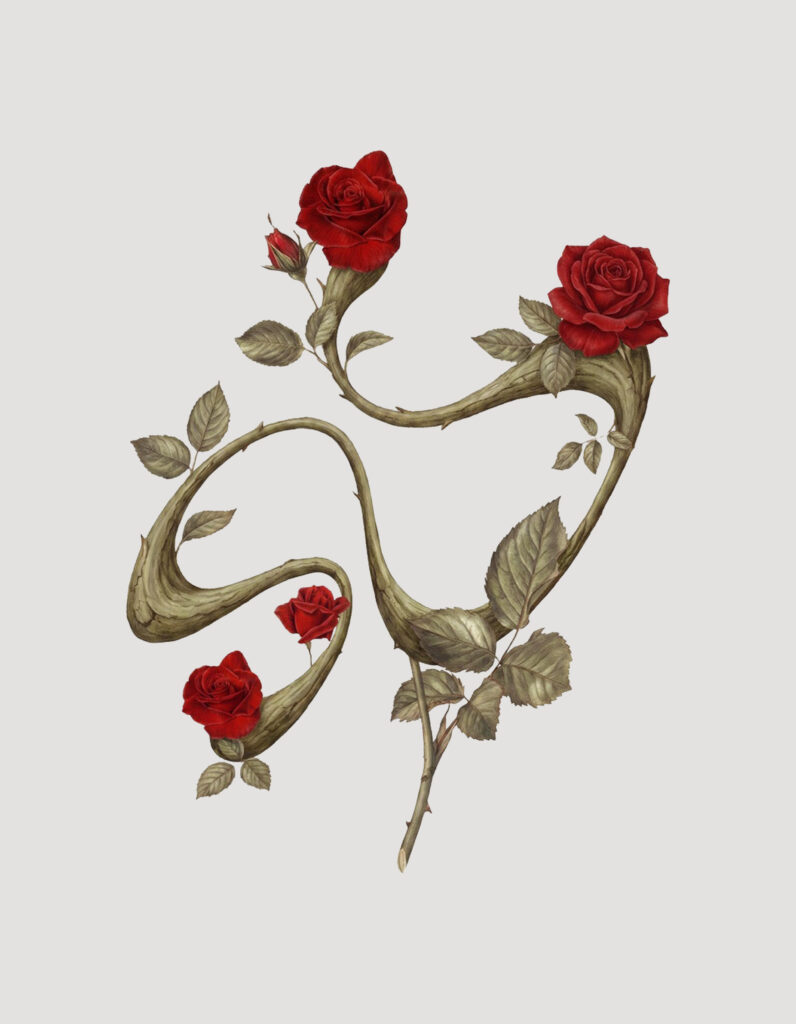
    ‘Botanical Motifs’ is a design pattern developed for ÃO’s ‘Timeless Endless Patterns’ collection

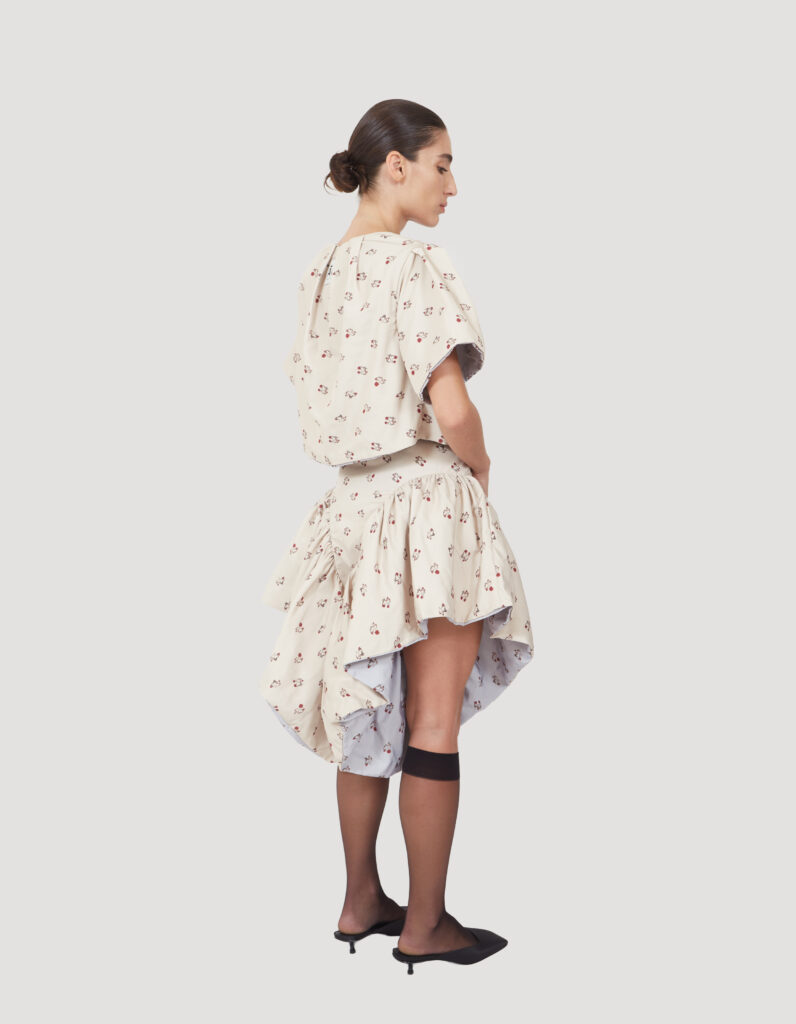
    Starting from ÃO’s logotype, we developed a series of prints for Timeless Endless Patterns, ÃO’s AW26 collection, pushing its original form until it dissolves into organic compositions.

    Foto: ÃO 2026

    Inspired by antique floral patterns, the pieces explore repetition, interlacing, and the construction of visual rhythm, transforming the brand’s mark into a visual language. The result is a system that oscillates between identity and ornament where the logo is no longer just a signature, but an image that inhabits the surface.

    Foto: ÃO 2026

    CREDITS

    Client:
    ÃO

    Fashion Designer and Creative Director:
    Marina Dalgalarrondo (ÃO)

    Design:
    CCarta (Enzo Carrieri)

    Photography:
    Luan Martins

    Beauty:
    Carolina Felício


  • Canteens, locker-room machines and ramps (CLUBE with ETH Zürich Focus Work)

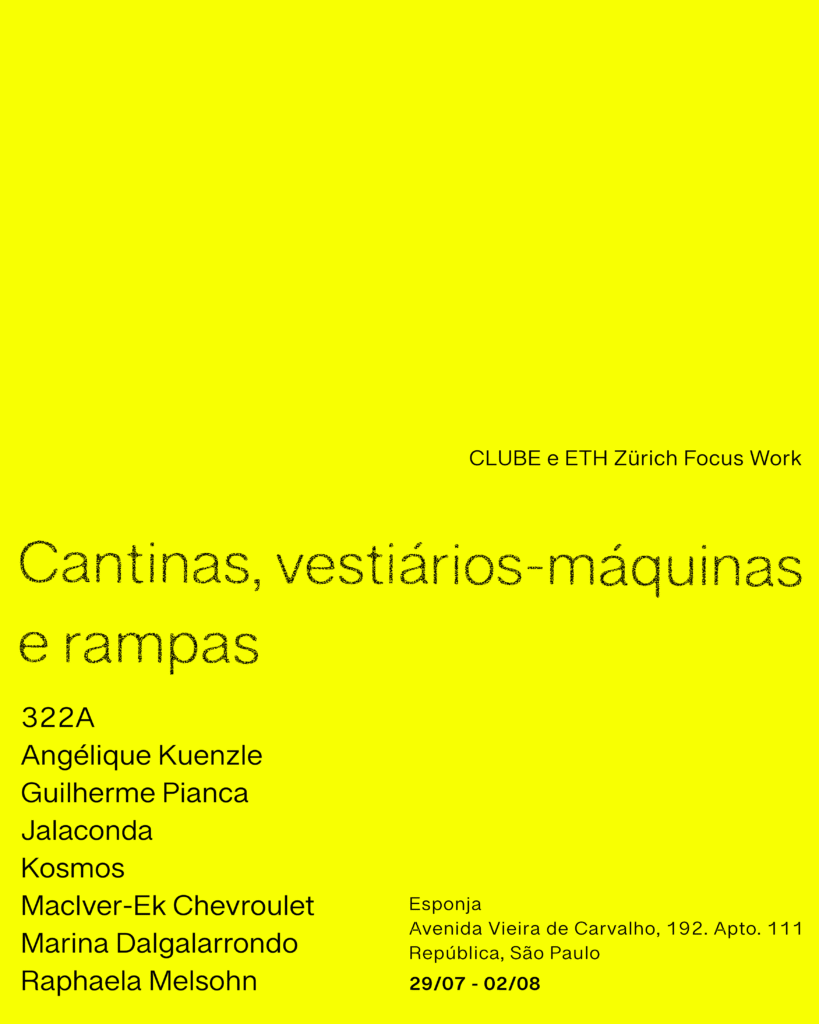
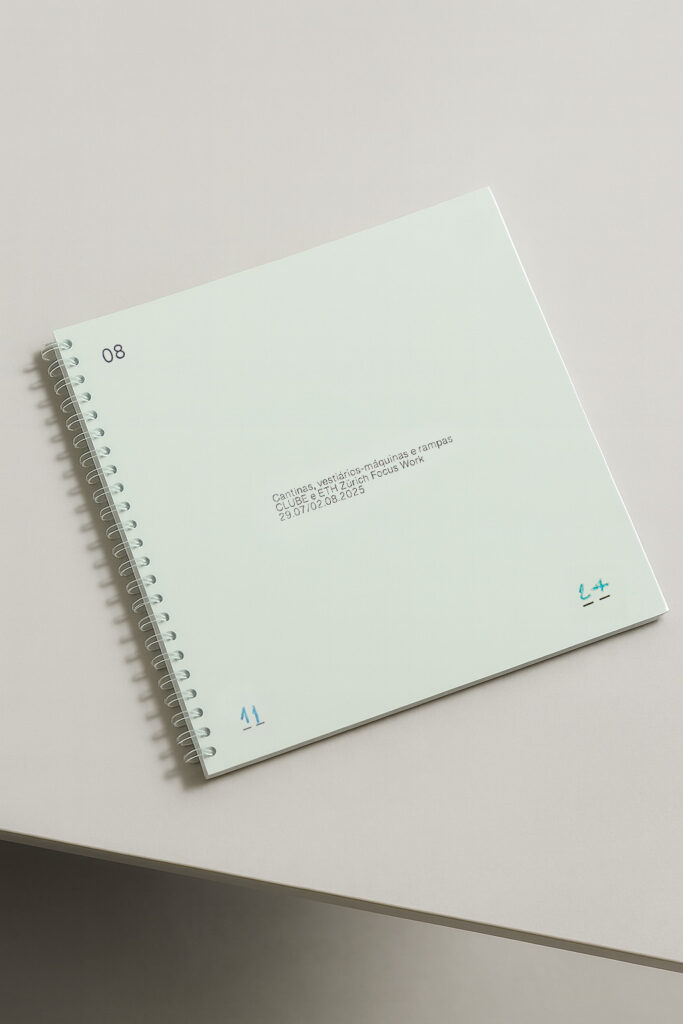
    Canteens, locker-room machines and ramps was a space-and-object workshop organized by CLUBE in partnership with ETH Zürich’s Department of Architecture, with visual identity and communication strategy developed by ccarta.

    © CLUBE (2025).

    The workshop

    In September 2000, architect Paulo Mendes da Rocha proposed something that seemed impossible: covering Praça da República, in downtown São Paulo, with a suspended pool-beach. This attitude challenged latent issues in urban society: the right to leisure, idleness, celebration, hygiene, self-care, sociability and entertainment. From the calcified pressure of what verticality, body, action and object mean in this specific city, Canteens, Locker Rooms–Machine, and Ramps was born — both as a research project and an educational, experimental workshop.

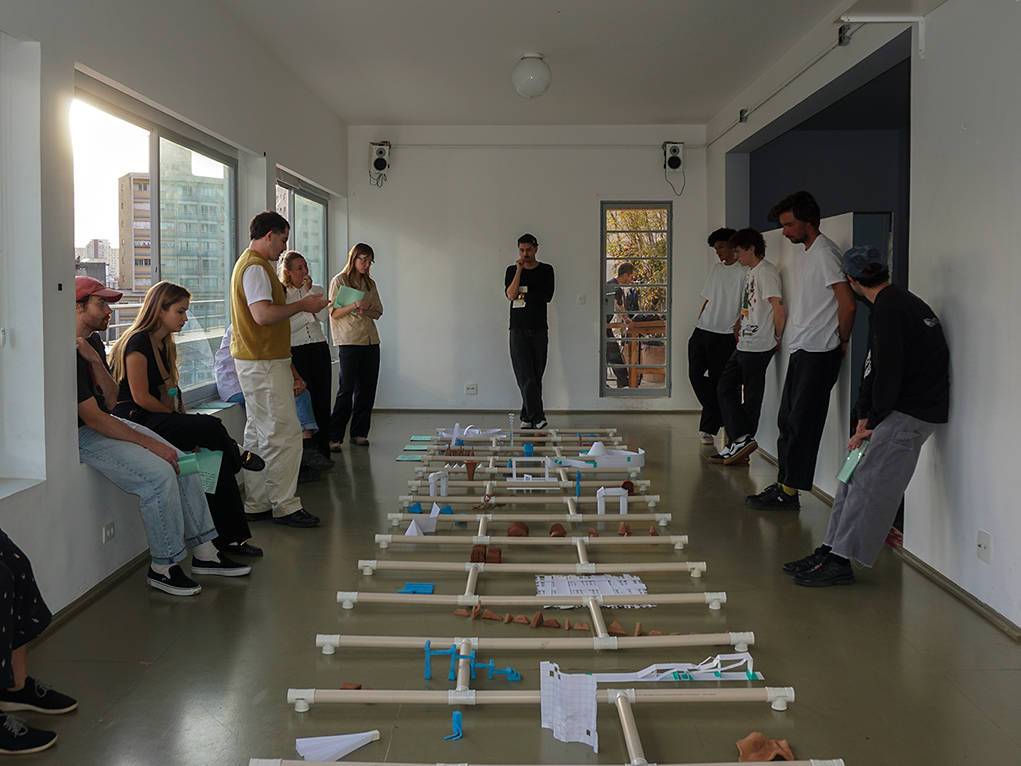
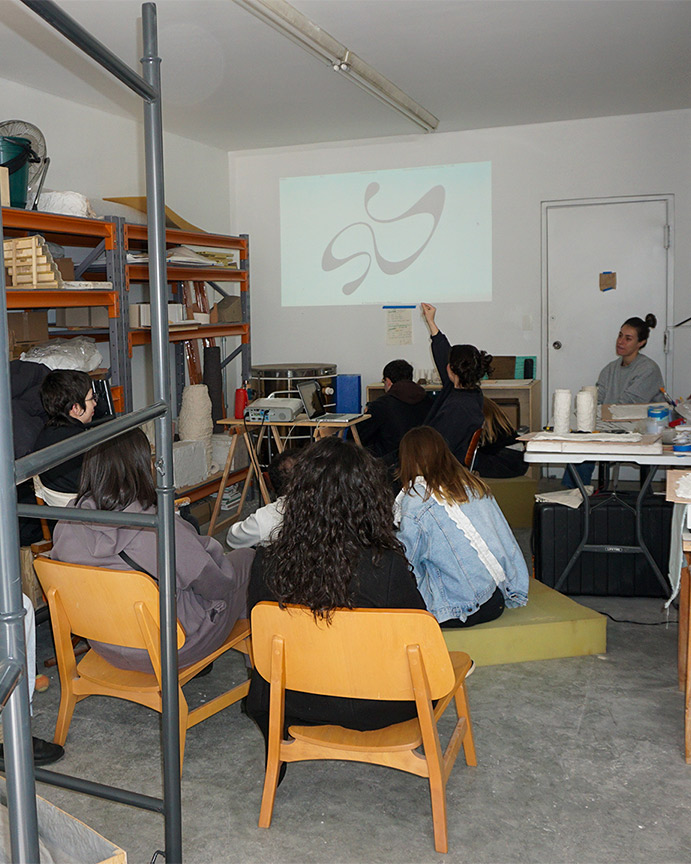
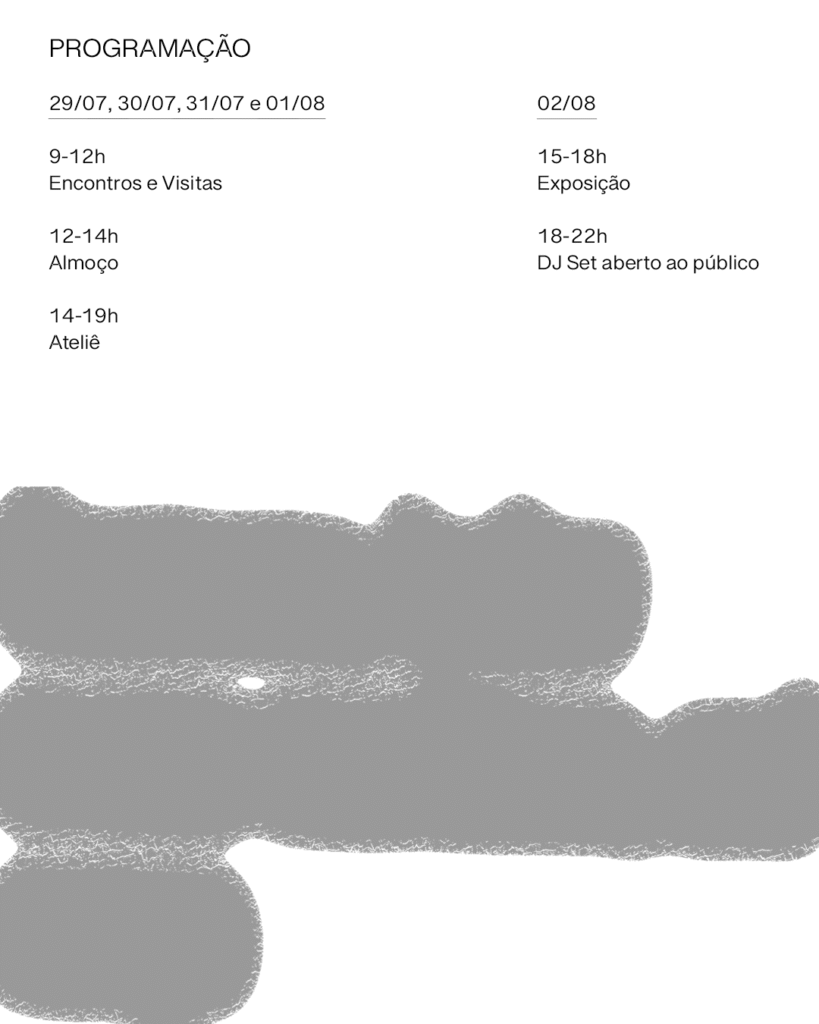
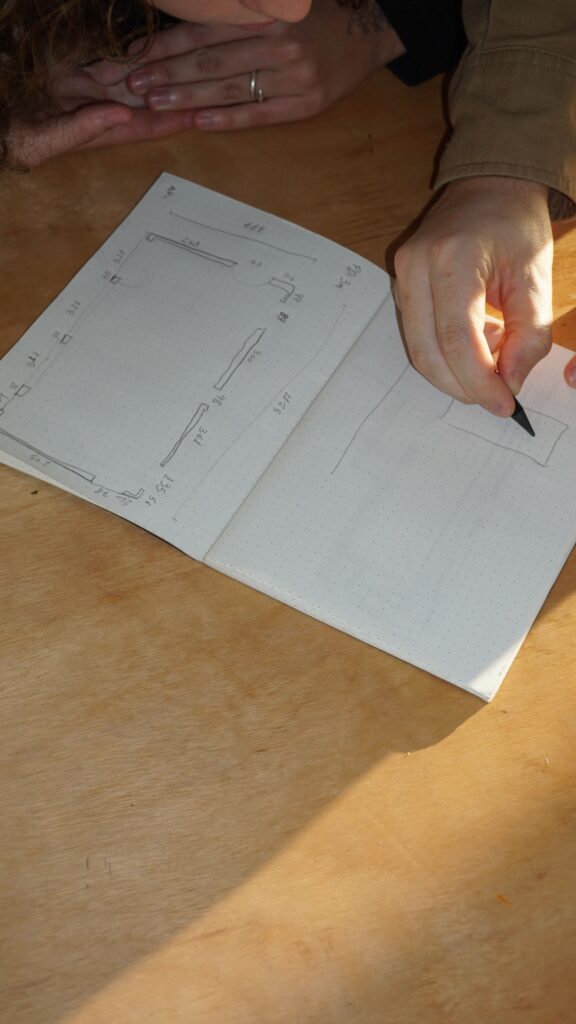
    The participants were invited to explore elevated spaces related to sports, work and leisure practices, and then develop objects that could support or expand these activities. Held over four meetings in a dance studio on the rooftop of a downtown building in São Paulo, the workshop was structured daily in two moments: lectures (with guests from different fields of knowledge) and studio sessions.

    In the end, the works were presented in an open-to-the-public party-exhibition on the same rooftop, a sort of “meta wrap-up” to expand even further the core concept of the workshop: the city relations, elevated.


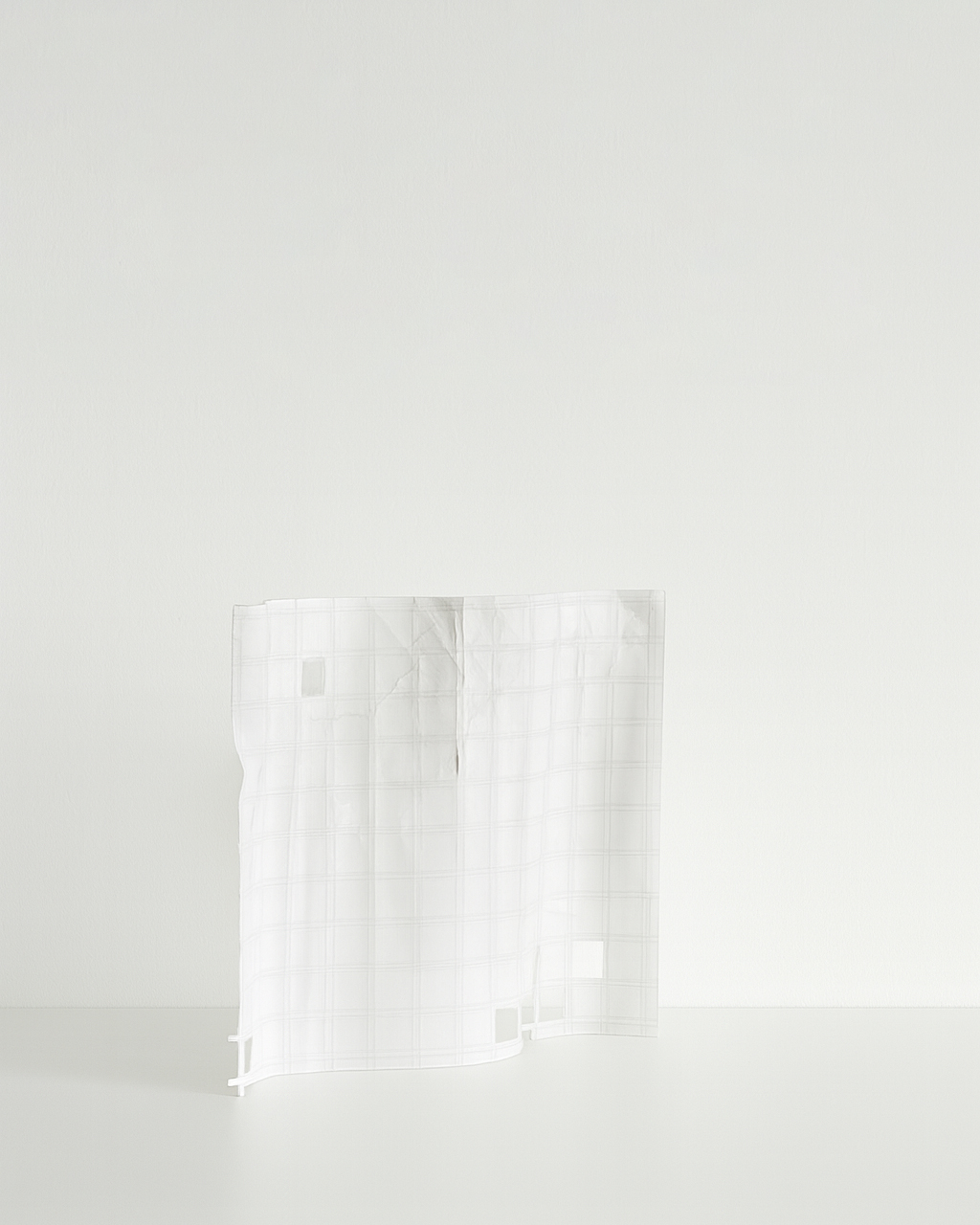
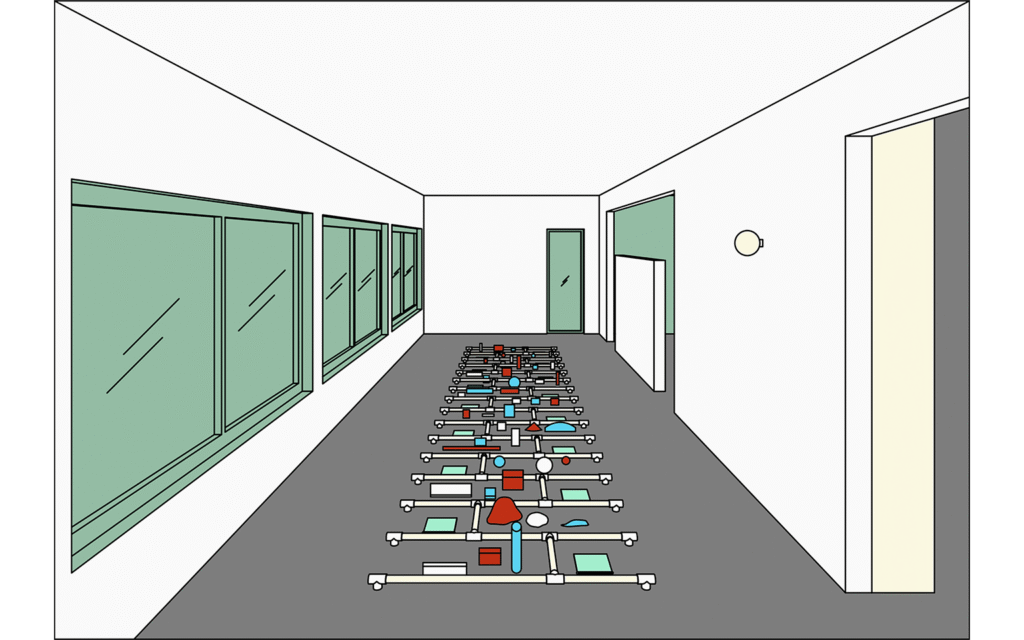
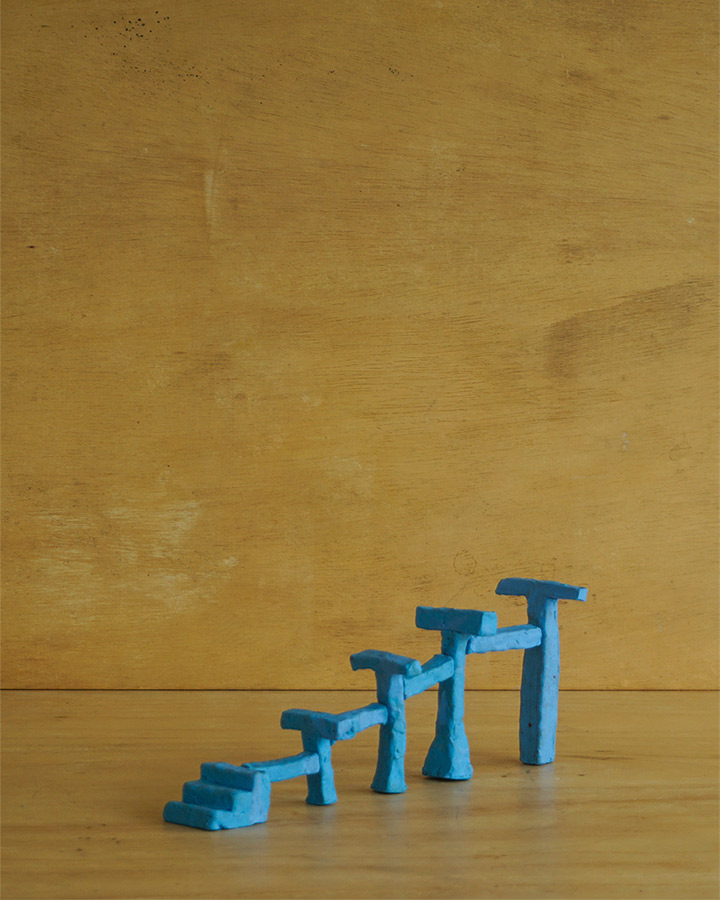
    While visiting iconic buildings in the city, like Estádio Pacaembu and Sesc 24 de Maio (a cultural center remodeled by Paulo Mendes da Rocha himself), and learning about practices that range from multidisciplinary architecture to fashion design and music production, the students had to develop structure prototypes with minimal materials (paper or clay, and no computer software). They also had to design how these prototypes would be displayed in a final exhibition – the location itself was an elevated space: a dance studio on the top of a building in downtown São Paulo. This way, the theme of elevated spaces, hands-on assimilations, and multidisciplinary workflows was explored from multiple angles, and both individually and collectively.

    © CLUBE (2025).

    Visual and educational design, unvarnished

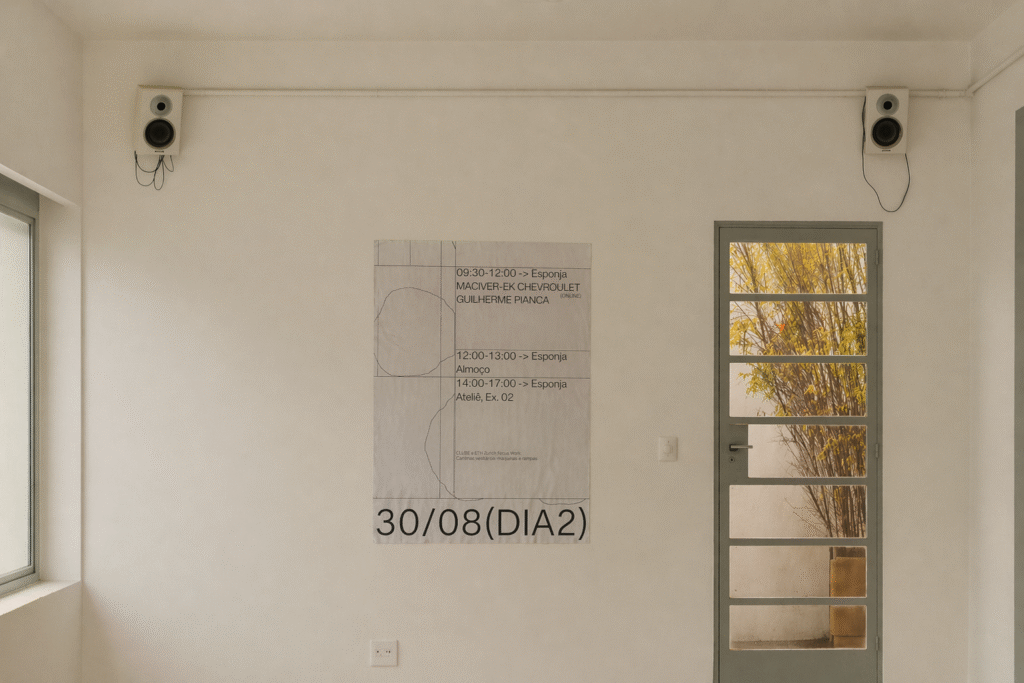
    The visual identity took inspiration from the physical traces of urban production and process, using typography, colors, and other visual elements that reference architectural documentation and action — such as technical sketches (including Paulo Mendes da Rocha’s original 2000 drafts), architectural blueprints, and construction signage.

    These elements were purposefully rearranged in a loose way, both as an allusion to the workshop’s prototype-driven, experimental approach — which values experimentation over polished results — and to avoid exerting too much figurative influence on the students. We wanted to allow them to arrive at their own concepts and visuals independently.

    © CLUBE (2025).

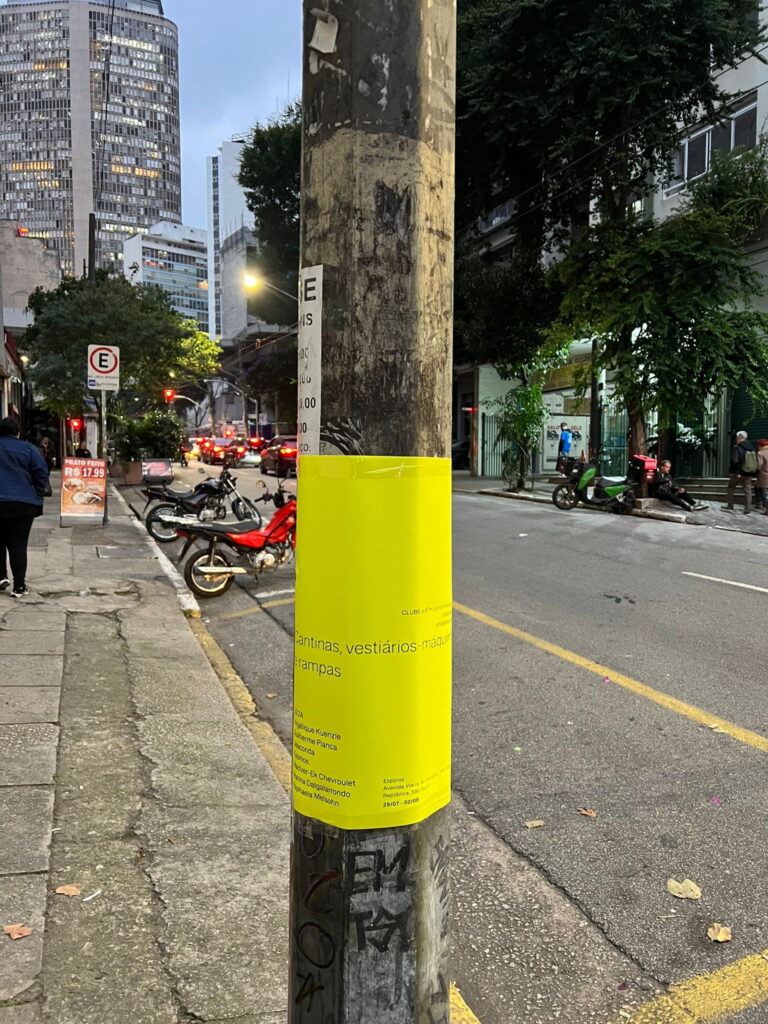
    To promote the workshop, we wanted to step outside the digital realm and play in the physical world for a change — putting up posters in places that share the same social energy we hoped to “bring into the classroom”: bars, cafés, and schools. For the outdoor identity, we chose a bold yellow as the centerpiece. This punchy, monochromatic tone, paired with a quiet (almost sleepy) layout that contrasted with the maximalist chaos of most of the city’s advertising, allowed the workshop’s form to match the strength of its content.
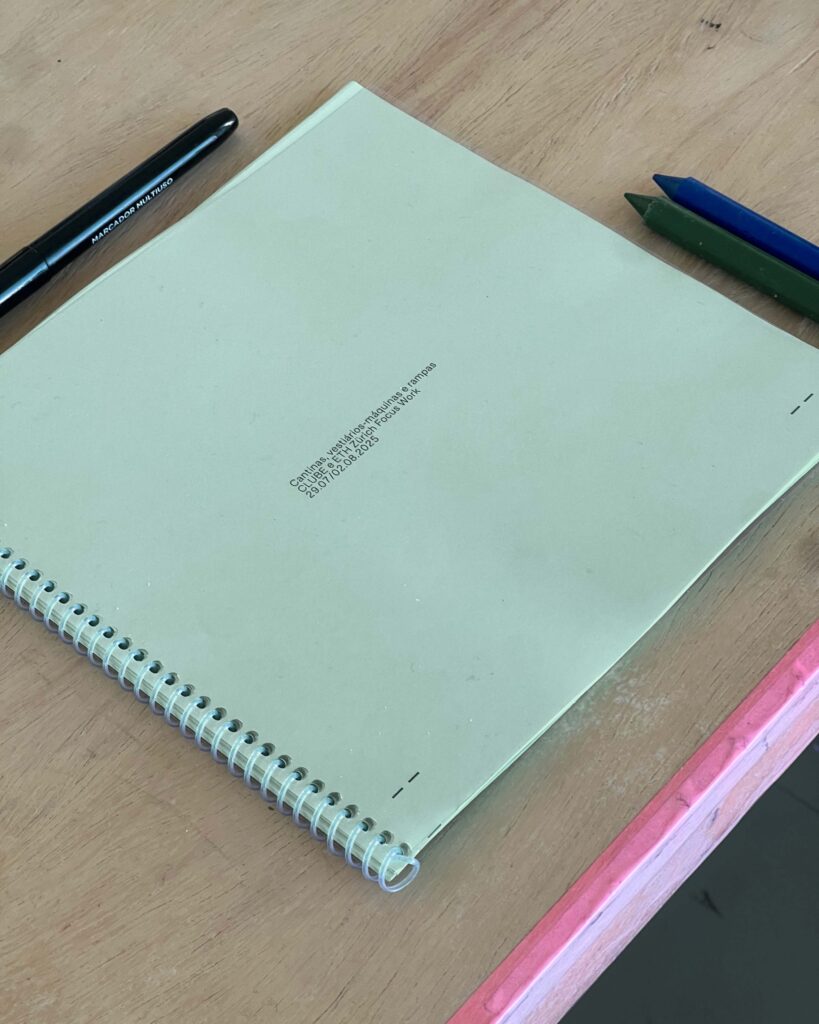
    For the workshop itself, we aimed for neutrality: materials were either plain white or a light shade of blueprint-like green.


    CREDITS

    Organization:
    CLUBE

    Guest Lecturers:
    322A, Angélique Kuenzle, Guilherme Pianca, Jalaconda, Kosmos, MacIver-Ek Chevroulet, Marina Dalgalarrondo & Raphaela Melsohn

    Design & Creative Strategy:
    ccarta (Erik Gütschow, Enzo Carrieri)

    Photography:
    Erik Gütschow, Gabriel Biselli

    Chef:
    Neilson Silva

    DJ Set:
    Desampa

    Workshop Location:
    Esponja – Avenida Vieira de Carvalho, 192, apto 111, República, São Paulo